If you run a restaurant, takeaway, café or any kind of commercial kitchen, the grease trap is probably the piece of equipment you think about least. It sits under a sink or below the floor, out of sight, quietly doing its job. Until it stops doing it.
When a grease trap is left too long, the fat it is meant to hold back starts escaping into your drains and the public sewer. That leads to blocked pipes, bad smells, unhappy neighbours and, in the worst cases, enforcement action from the water company or the council.
The good news is that keeping on top of it is straightforward once you know how often your trap needs emptying and what the law expects of you.
Let’s jump right in:
What Is a Grease Trap and How Does It Work?
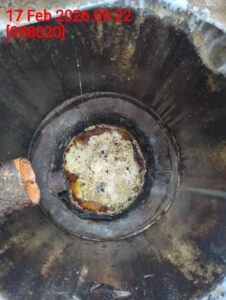
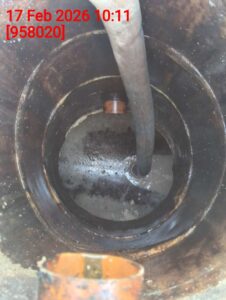
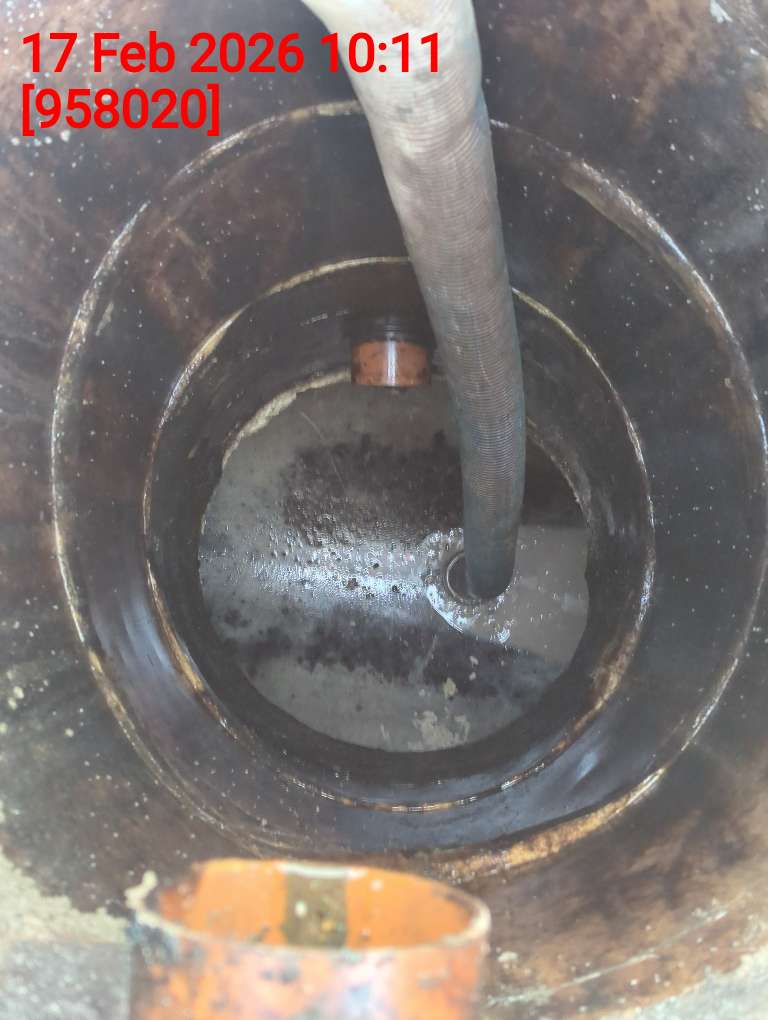
A grease trap (sometimes called a grease interceptor or grease separator) is a tank fitted into the drainage from your kitchen. Its job is to catch fats, oils and grease, often shortened to FOG, before they reach the sewer.
The principle is simple. Fat is lighter than water. When warm, greasy water from your sinks and dishwasher flows into the trap, it slows down and starts to cool. The fat floats to the top and forms a layer, heavier food solids sink to the bottom, and the cleaner water in the middle flows out through the outlet and on to the drain.
Over time, the fat layer on top and the sludge on the bottom both get thicker. Eventually there is so little room left in the middle that greasy water passes straight through without separating. At that point the trap is no longer protecting your drains at all.
There are three main types you are likely to come across:
- Under sink grease traps. Small passive units fitted directly under a sink. Common in cafés, takeaways and smaller kitchens. They fill up quickly because they are small.
- Below ground grease interceptors. Larger tanks installed outside or beneath the kitchen floor, serving several sinks and appliances. Usually found in busier restaurants, hotels, canteens and food production sites. They hold more but need emptying with a vacuum tanker.
- Grease removal units (GRUs). Automatic units that skim off the fat and push it into a separate container. Dŵr Cymru Welsh Water advises that these need emptying every day as part of the kitchen routine.
A grease trap is not the same as an oil interceptor. Oil interceptors protect drains from fuel and engine oil on car parks and forecourts, and we cover those in our guide to industrial interceptor cleaning. Grease traps deal with cooking fats from kitchens.
How Often Should a Grease Trap Be Cleaned?
This is the question we are asked most, and the honest answer is that it depends on the size of the trap and how much grease your kitchen produces. A small café making sandwiches and coffee will fill a trap far more slowly than a busy takeaway running fryers and woks all day.
A useful rule of thumb used across the industry is that the fat layer and the sludge layer together should never take up more than about a quarter of the trap’s depth. Once they pass that point, the trap starts losing its ability to separate, and grease begins to slip through.
As a starting point, most kitchens fall into roughly these ranges:
| Type of equipment | Typical kitchen | Usual emptying frequency |
| Grease removal unit | Any kitchen using one | Daily |
| Under sink grease trap | Busy takeaway, fryers in constant use | Weekly, sometimes more |
| Under sink grease trap | Café or lighter kitchen | Every 2 to 4 weeks |
| Below ground interceptor | Restaurant, hotel or pub kitchen | Every 1 to 3 months |
| Below ground interceptor | Canteen or food production site | Set by volume; often monthly |
These are guides rather than rules. The right frequency for your site is the one that stops the trap ever reaching that quarter full mark. The simplest way to find it is to have the trap checked and emptied on a regular schedule for the first few months, measure how full it is each time, and then adjust.
Keep in mind that busy periods change the picture. A kitchen that is fine on a monthly schedule for most of the year may need more frequent visits over Christmas, during summer events or on big match days.
Signs Your Grease Trap Needs Emptying
Even with a schedule in place, your kitchen will often tell you when the trap is overdue. Look out for:
- Bad smells. A rancid, sour smell around sinks, floor drains or outside manhole covers is one of the first signs. Old fat and food waste break down and give off strong odours.
- Slow draining sinks. If water sits in the sink longer than usual, the trap or the pipe leading from it may be filling with grease.
- Gurgling noises. Air being forced back up through the pipework often means a partial blockage.
- Grease in the outlet or downstream manholes. If you lift a cover after the trap and see fat floating on the water, grease is getting past it.
- Water backing up. Overflowing sinks, floor drains or external gullies mean the problem has already reached your drains.
- Pests. Rats and flies are drawn to the smell of fat and rotting food.
If you are noticing any of these, it is time to get it looked at. The longer it is left, the more likely it is that grease has already started building up in the pipes beyond the trap, which turns a routine empty into a drain clearance job. Our guide to the signs your drains need jetting covers what happens when it gets to that stage.
At GD Environmental, our team empties and cleans grease traps for food businesses across South Wales and the South West, and takes the waste away for proper treatment with all the paperwork you need. Whether you want a one off clean or a regular schedule that fits around your opening hours, get in touch with our fats and grease team and we will help you work out what your kitchen needs.
What the Rules Say for Food Businesses in Wales
There is no single law that says “empty your grease trap every four weeks”. Instead, several pieces of legislation together make food businesses responsible for keeping fat out of the sewer and dealing with their waste properly. Here are the ones that matter most.
It is an offence to block the sewer
Under section 111 of the Water Industry Act 1991, it is a criminal offence to put anything into the public sewer that could interfere with the free flow of wastewater. Fats, oils and grease fall squarely into that category. If a blockage is traced back to your premises, the water company can also recover the cost of clearing it from you. In Wales, that is usually Dŵr Cymru Welsh Water, which runs inspection visits to food businesses and can ask to see proof that your grease equipment is being maintained.
No food waste down the drain, in any amount
Since 6 April 2024, the Welsh workplace recycling law has banned all workplaces from sending food waste to the sewer. That means no scraping plates into the sink and no washing leftovers down the drain. The ban also covers macerators and similar equipment, such as enzyme digesters and de-waterers, that are used to get rid of food waste down the sink.
Premises that produce more than 5kg of food waste a week must also separate it for recycling. Local authorities enforce the food waste to sewer ban, and failing to follow it can lead to a fine. We explain the wider changes in our post on workplace recycling in Wales.
New and refitted kitchens should have grease removal
Building Regulations Approved Document H advises that drainage from commercial hot food kitchens should be fitted with a grease separator or another effective means of removing grease. Local authorities can also require grease equipment to be fitted to existing buildings under the Building Act 1984.
Duty of care and keeping your paperwork
The waste from your grease trap is still your responsibility until it reaches a licensed facility. Under your duty of care, you must make sure the company collecting it is a registered waste carrier and that it is taken somewhere authorised to accept it.
Every collection should come with a waste transfer note, and you should keep these for at least two years. Dŵr Cymru also advises keeping maintenance records and receipts, because you may be asked for them if your premises is linked to a sewer blockage. Not being able to produce the paperwork can result in a fixed penalty notice or prosecution.
A simple log kept in the kitchen, noting the date of each empty and who carried it out, makes life much easier if an inspector or environmental health officer calls.
Food hygiene and nuisance
Blocked drains, foul smells and overflowing waste can also fall foul of food hygiene rules and statutory nuisance laws. In serious cases, the council can serve notices or even stop a business trading until the problem is fixed.
What Happens If a Grease Trap Is Neglected?
A grease trap that is not emptied does not just stop working. It actively causes problems, and they tend to get more expensive the longer they are ignored.
- Blocked drains on your own site. Grease that escapes the trap cools and sticks to the inside of your pipes, narrowing them until water cannot get through. Our article on blocked drains at commercial sites explains how quickly this can disrupt a business.
- Emergency call outs and closures. A blockage during a busy service can mean flooded floors, unusable sinks and, in some cases, having to close until it is cleared.
- Sewer blockages and fatbergs. Once grease reaches the public sewer, it combines with wet wipes and other waste to form the solid masses known as fatbergs. We explain how they form in our guide to fatbergs and how to prevent them.
- Cost recovery and fines. If the water company traces a blockage to your premises, you may be asked to pay for clearing it, on top of any fines.
- Damage to your hygiene rating. Smells, pests and overflowing drains are exactly what food hygiene inspectors look for.
If grease has already built up in your pipes, the trap will need emptying and the drains will usually need high pressure water jetting to clear them properly. A CCTV drain survey can then confirm the pipes are clear and undamaged. Our drainage, sewerage and tankering team can take care of both, so you can get back to normal service as quickly as possible.
Can You Clean a Grease Trap Yourself?
Some small under sink traps are designed so that kitchen staff can skim off the fat between professional visits, and grease removal units must be emptied daily by the team. That kind of routine upkeep is a good habit.
What you cannot do is pour the contents down another drain or put liquid grease into your general waste bin. Grease trap waste needs to be collected by a registered carrier and taken to a licensed facility. Larger below ground interceptors also need a vacuum tanker to empty them properly, and entering or working inside them can involve confined space risks that should be left to trained operatives.
When choosing a contractor, check that they:
- are a registered waste carrier with Natural Resources Wales or the Environment Agency
- provide a waste transfer note for every collection
- take the waste to a licensed treatment facility
- can offer a regular schedule that fits around your opening hours
- can deal with drain blockages too, if the trap has already let grease through
Good Kitchen Habits That Make a Big Difference
The less grease that reaches your trap in the first place, the longer it lasts between empties and the lower the risk of a blockage. A few simple habits help:
- Scrape and wipe before washing. Scrape plates, pans and trays into the food waste bin, and wipe off grease with kitchen roll before anything goes in the sink or dishwasher.
- Fit sink strainers. A strainer in every plughole catches food scraps. Empty them into the food waste bin, not back down the sink.
- Collect waste cooking oil separately. Store used oil in a sealed container away from drains and have it collected by a licensed contractor. Keep the paperwork.
- Skip the boiling water and bleach. Pouring them down the sink does not dissolve grease. It just pushes it further down the pipe, where it sets again.
- Train your staff. New starters and part time staff are often the ones who do not know the rules. A quick briefing and a sign above the sink go a long way.
- Keep a log. Record every empty, every clean and anything unusual you notice. It helps you spot patterns and gives you proof of maintenance if you ever need it.
A well maintained grease trap is one of the cheapest forms of insurance a food business can have. Get the schedule right, keep your records in order, and it will quietly protect your drains, your neighbours and your reputation for years.