If your property isn’t connected to the main sewer, chances are you rely on a septic tank, a cesspit, or a sewage treatment plant to handle wastewater. These systems work quietly in the background until they don’t, and by the time there’s an obvious problem, you’re often already dealing with a backed up drain, an unpleasant smell, or worse. Knowing how often your system needs emptying, and recognising the early warning signs, can save you a lot of hassle, and a lot of money, down the line.
Septic Tank, Cesspit or Treatment Plant: Which Do You Have?
Before talking about emptying frequency, it’s worth understanding which system you actually have, since the answer is different for each.
A septic tank partially treats wastewater on site, allowing liquid to soak away into the ground through a drainage field while solids settle and break down at the bottom. Because some treatment happens naturally, septic tanks need emptying less frequently than cesspits.
A cesspit (sometimes called a cesspool) is essentially a sealed holding tank with no treatment process at all. Everything that goes in stays there until it’s pumped out, which means cesspits fill up faster and need emptying far more often.
A sewage treatment plant is the most advanced of the three, using mechanical or biological processes to treat wastewater to a much higher standard before it’s released. These typically need emptying less often than either of the other two systems, though regular servicing is still essential.
If you’re not sure which one you have, your property deeds, a previous survey, or a quick inspection by our team can usually clear it up.
How Often Does a Septic Tank Need Emptying?
As a general rule, most septic tanks need emptying once every one to three years, though this varies depending on the size of the tank, the number of people in the household, and how it’s used day to day. A larger household with more frequent water use will naturally fill a tank faster than a smaller household using the system occasionally, such as in a holiday home.
It’s also worth knowing that a tank doesn’t need to be completely full before it’s worth emptying. Waiting until the tank overflows risks solids escaping into the drainage field, which can clog the system and lead to a far more expensive repair than a routine empty would have cost.
How Often Does a Cesspit Need Emptying?
Because cesspits don’t treat or release any wastewater, they fill up considerably faster than septic tanks. Most cesspits need emptying every four to six weeks for permanent residential use, though this depends heavily on the size of the tank and the number of people using it. Holiday lets or seasonal properties may need less frequent emptying, but it’s still important to monitor usage rather than guessing.
If you’ve recently moved into a property with a cesspit and you’re not sure of its size or how often the previous owner had it emptied, an initial site visit is a sensible first step. This gives you a realistic idea of capacity and how often you’ll need to budget for emptying going forward.
How Often Does a Sewage Treatment Plant Need Emptying?
Sewage treatment plants typically need a full empty of accumulated sludge once a year, alongside more regular servicing to keep the mechanical and biological elements working correctly. Many manufacturers specify a service schedule, and following it closely is important both for the system’s performance and to keep any warranty valid.
Signs Your Tank or Cesspit Needs Emptying Sooner Than Expected
Even with a rough schedule in mind, it’s worth knowing the warning signs that suggest your system needs attention before its next planned empty. These include:
Slow draining sinks, baths or toilets throughout the property, particularly if multiple fixtures are affected at once rather than just one.
Unpleasant odours near the tank, around drains, or inside the property, especially after rainfall or heavy water use.
Gurgling sounds coming from pipes or toilets when water drains away.
Pooling water or unusually lush, green patches of grass near the drainage field or tank location, which can indicate the system is overflowing or leaking.
Visible sewage backing up into the garden or, in serious cases, into the property itself.
If you notice any of these signs, it’s best to arrange an emptying or inspection as soon as possible rather than waiting for the next scheduled visit. Left unaddressed, a full tank can lead to system failure, contamination of the surrounding land, and repair costs considerably higher than routine maintenance.
Why Regular Emptying Matters
Beyond avoiding the obvious inconvenience of a backed up system, regular emptying protects the long term health of the whole setup. For septic tanks in particular, allowing solids to build up beyond a safe level risks them escaping into the drainage field, where they can clog the soil and cause permanent damage. Once a drainage field fails, it often needs to be dug up and replaced entirely, which is a significantly bigger job and expense than the emptying itself would ever have been.
Regular emptying is also a legal responsibility. Under general binding rules in Wales and England, septic tanks and similar systems must be maintained properly to avoid pollution of groundwater or local watercourses. A tank left to overflow carries environmental and regulatory consequences for the property owner, on top of the maintenance problem itself.
Factors That Change Your Emptying Schedule
The general guidelines above are a useful starting point, but several factors can shift how often your particular system needs emptying.
Number of occupants matters a great deal. A larger household, or a property that’s recently had more people move in, will fill a tank considerably faster than the figures used for a couple or single occupant. If your household has grown, it’s worth reassessing your schedule rather than sticking to what worked previously.
Water usage habits add up over time. Long showers, frequent laundry loads, and dishwasher use all add volume to the system. Properties with water saving fixtures or more conservative usage will generally go longer between empties than those with heavier daily water use.
Tank age and condition can quietly reduce capacity. Older tanks, particularly those that haven’t been serviced in some time, can develop reduced capacity due to a build up of solids that should have been removed previously. If it’s been several years since your last empty, or you’re not sure when it last happened, it’s sensible to get it checked rather than guessing.
What goes down the drain affects how the system copes day to day. Wet wipes, sanitary products, cooking fats and harsh chemicals can all interfere with the natural breakdown process in a septic tank, leading to faster filling and a higher risk of blockages. Being mindful of what enters the system, even indirectly through sinks and toilets, helps keep things running on schedule.
Seasonal Considerations
Weather plays a bigger role in septic and cesspit performance than many people expect. Heavy rainfall can saturate the ground around a septic tank’s drainage field, slowing down how quickly it can absorb treated wastewater and sometimes causing temporary backups even in a tank that isn’t technically full. If symptoms tend to appear mainly after wet weather, this is often the cause rather than the tank itself being overdue for emptying.
Winter brings its own challenges too. Cold weather can affect the biological processes that help break down waste inside a septic tank, since the bacteria responsible for this work less efficiently at lower temperatures. This means tanks can sometimes need slightly more frequent attention through the colder months, particularly if a property sees increased occupancy or water use over the festive period.
Booking your emptying ahead of particularly wet seasons, rather than waiting until a problem appears, is generally the easier and less stressful approach.
What to Expect from a Professional Emptying Service
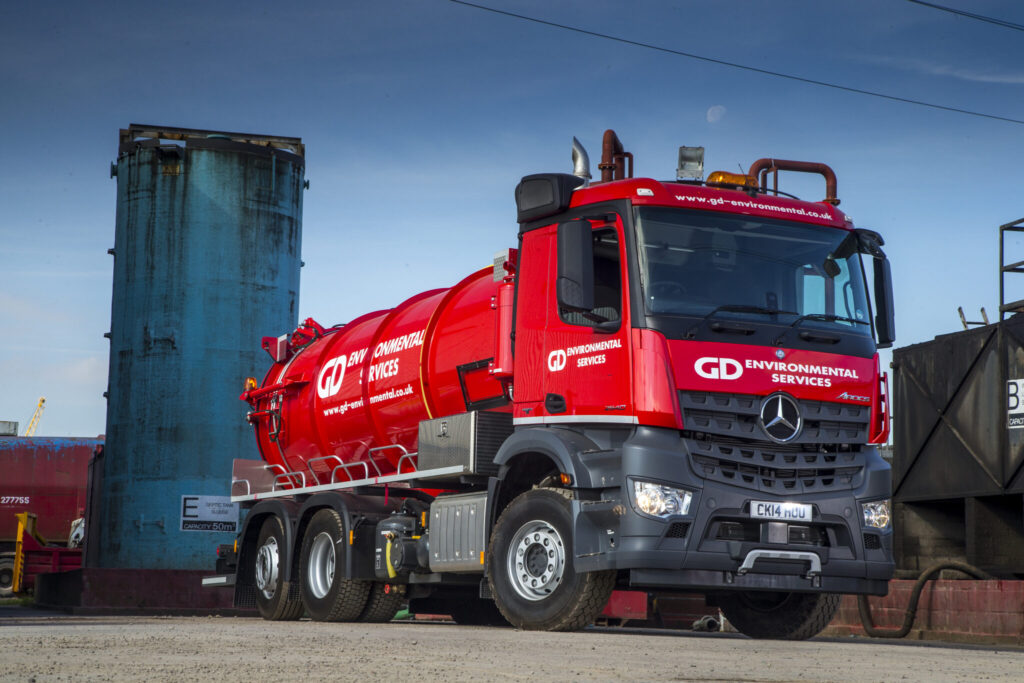
A proper septic tank or cesspit emptying service involves more than simply pumping out the contents. Our team arrives with a vacuum tanker, locates the access point to your tank, and removes the contents safely and thoroughly before disposing of the waste responsibly through licensed routes. Depending on the tank’s condition, this may also include a basic check for any visible signs of damage, blockage or unusual wear that could affect performance going forward.
If it’s your first time using a particular tank, or you’re unsure of its condition, we’re happy to carry out an initial site visit beforehand to make sure everything is in order and there are no underlying issues that need addressing. If anything concerning is noticed during a visit, such as a damaged drainage field or signs the tank itself may need repair, we’ll always flag this clearly rather than simply emptying it and moving on, so you have the full picture for any decisions you need to make about the system long term.
We work across homes, holiday properties and small developments without mains drainage, and we understand that every property’s needs are slightly different depending on size, usage and location.
Staying Ahead of the Problem
The easiest way to avoid an emergency callout is to get into a routine. Mark your tank’s likely emptying schedule in the calendar based on its type and your household size, and keep an eye out for the early warning signs in between, especially around wetter and colder months when systems are put under more pressure. A little bit of planning goes a long way toward avoiding the kind of backed up, smelly emergency that nobody wants to deal with on a weekend.
If you’re due an empty, noticing any of the warning signs above, or simply unsure what system you have and how often it needs attention, our team is here to help. Get a quote for cesspit and septic tank emptying, and we’ll talk you through exactly what’s involved, including an initial site visit if you need one.