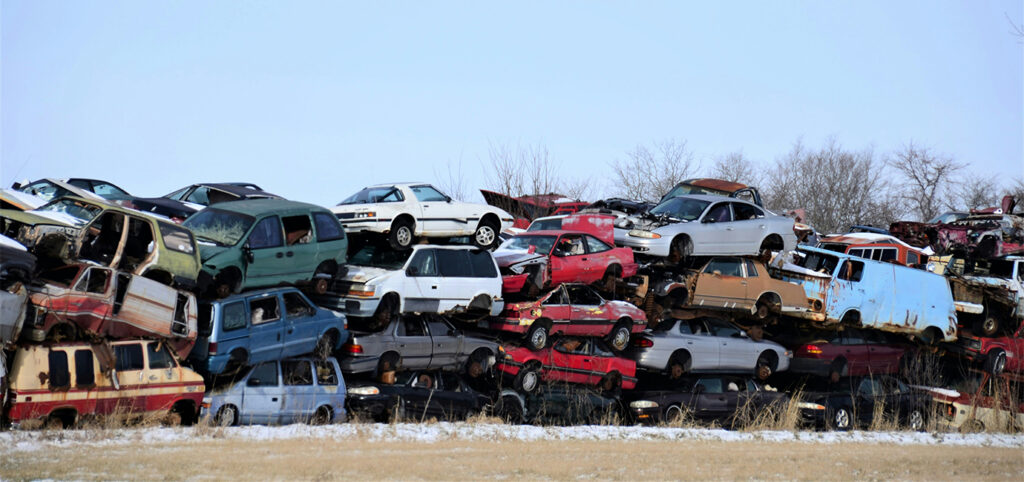
Whether your car has finally given up after years of faithful service, failed its MOT one too many times, or been sitting unused on the drive for months, scrapping it is often the simplest way to move on. The question most people have before they go any further is a simple one: how much is it actually worth? The honest answer is that it depends on several factors, but understanding what affects the price can help you get a fair deal and avoid being short changed.
What Determines a Car’s Scrap Value
Scrap car prices aren’t fixed. They shift with the metal market, and they vary depending on the specific vehicle in question. The main factors that influence what you’ll be offered include:
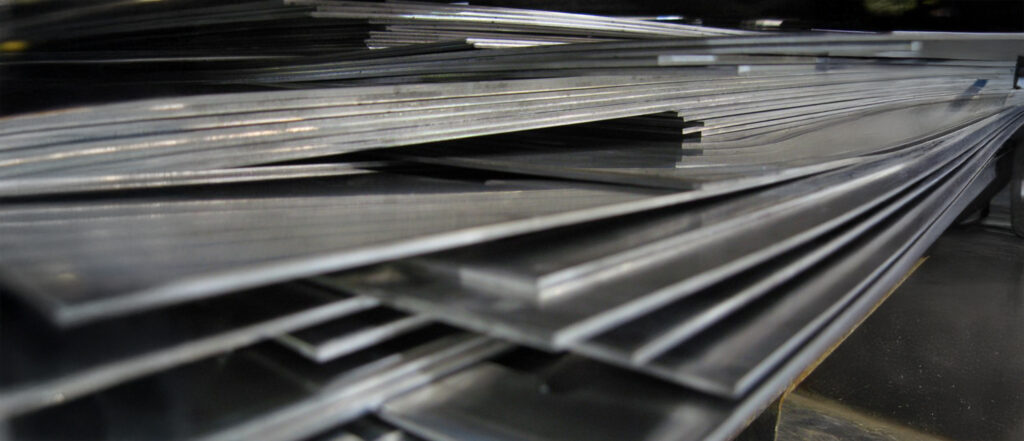
Weight of the vehicle. Scrap value is largely based on the weight of metal that can be recovered and recycled, so heavier vehicles such as larger family cars, vans and 4x4s generally fetch more than small city cars.
Current scrap metal prices. Like any commodity, the price of scrap steel and other metals fluctuates with global market conditions. This means the same car could be worth slightly more or less depending on when you scrap it.
Condition and completeness. A car with its engine, catalytic converter, battery and other valuable components intact is worth more than one that’s missing major parts. If components have already been removed or sold separately, expect a lower offer.
Make and model. Certain vehicles contain more recoverable metal or higher value components, such as catalytic converters with higher precious metal content, which can push the price up slightly compared to similar sized vehicles.
Location and collection. Some scrap yards offer slightly different rates depending on whether you drop the vehicle off yourself or need it collected. Collection often involves a small adjustment to cover transport, though a reputable provider will always be upfront about this before you agree to anything.
A Realistic Price Range
While every vehicle is different, small cars in poor condition typically fetch somewhere in the range of £100 to £200, while larger vehicles, vans, or those in better condition can range from £200 to £400 or more. Vehicles with valuable components still intact, particularly catalytic converters, can sometimes fetch higher prices still. The best way to get an accurate figure for your specific vehicle is to request a quote directly, since make, model, weight and current market rates all factor into the final offer.
It’s worth being wary of any scrap dealer quoting a price that sounds too good to be true without seeing the vehicle, or one offering cash on the spot. Since 2012, cash payments for scrap metal, including scrap vehicles, have been illegal in the UK. Any legitimate payment must be made via BACS transfer directly to your bank account, or onto a pre loaded payment card. If a dealer offers cash, that’s a clear sign to walk away.
Why You Should Only Use an Authorised Treatment Facility
Scrapping a car isn’t as simple as just calling the nearest yard and dropping it off. Vehicles contain fluids, batteries and components that are classified as hazardous if not disposed of correctly, including engine oil, brake fluid, air conditioning refrigerant and the battery itself. Only an Authorised Treatment Facility (ATF), approved by both the DVLA and the Environment Agency, is legally permitted to depollute and process end of life vehicles.
Using an unauthorised dealer carries real risk. You could be left liable if the vehicle isn’t properly deregistered, and there’s no guarantee the depollution process has been carried out to the required environmental standard. Working with a licensed ATF means your vehicle is fully depolluted, the DVLA is correctly notified of its destruction on your behalf, and you receive a Certificate of Destruction confirming the vehicle is no longer your responsibility.
What Documents You’ll Need
Before scrapping your car, it’s worth having the following ready:
Photographic ID, either a photo driving licence or a passport or ID card.
A recent utility bill or official document, dated within the last three months, to confirm your address.
Your V5 document (the vehicle registration certificate), which allows the facility to notify the DVLA of the vehicle’s destruction on your behalf.
Having these ready in advance speeds up the process considerably, whether you’re dropping the vehicle off yourself or arranging collection.
Drop Off or Collection: Which Should You Choose?
If your car is still drivable and you’re happy to bring it to the facility yourself, a drop off is usually the most straightforward and cost effective option. If the vehicle isn’t roadworthy, has failed its MOT, or simply isn’t safe to drive, a collection service removes the hassle entirely, with the vehicle picked up directly from your home or wherever it’s currently parked.
Either way, the documentation requirements remain the same, and a reputable provider will talk you through the process clearly before anything is agreed.
Preparing Your Vehicle Before Scrapping
A little preparation can make the process smoother and occasionally affects the final valuation. Before your car is collected or dropped off, it’s worth doing the following:
Remove personal belongings. It’s easy to forget items left in glove boxes, door pockets and boots, especially if the car has been sitting unused for a while. Take a thorough look through before handing it over.
Cancel your insurance and inform the DVLA. Once the vehicle has been scrapped and you’ve received your Certificate of Destruction, you’ll need to notify your insurer that the car is no longer in use. The facility will handle notifying the DVLA of the vehicle’s destruction using your V5, but it’s worth confirming this has gone through if you don’t receive confirmation within a reasonable time.
Remove number plates if requested. Some facilities ask for number plates to be removed before collection or drop off, particularly if you intend to keep a personalised plate for transfer to another vehicle. Check this in advance if it applies to you.
Note any recent work or known issues. If you’ve had recent repairs, an MOT failure with specific listed faults, or know of any particular issues with the vehicle, mentioning this when requesting a quote helps ensure the valuation reflects an accurate picture of the car’s condition.
What Happens to Your Car After It’s Scrapped
Once a vehicle arrives at an Authorised Treatment Facility, it goes through a structured process designed to recover as much value and material as possible while safely removing anything hazardous. Fluids including engine oil, brake fluid, coolant and fuel are drained and disposed of through licensed routes. The battery and any air conditioning refrigerant are removed separately, since both require specific handling. Tyres are removed for their own recycling stream, and any components still holding resale value, such as certain parts or the catalytic converter, may be removed and sold on separately depending on the facility’s process.
Once fully depolluted, the remaining shell is crushed and shredded, with the recovered metal sent on for recycling into new products. Modern vehicles are remarkably recyclable, with the vast majority of a car’s material able to be recovered and reused rather than sent to landfill. This is one of the reasons scrapping through a properly authorised facility matters so much, since it ensures the environmental benefit of recycling isn’t undermined by careless or illegal disposal of the hazardous elements along the way.
Getting the Best Value for Your Scrap Car
A few simple steps can help you get a fairer price and avoid unnecessary complications:
Get a quote based on accurate information about your vehicle’s make, model, condition and any known issues, rather than guessing or underselling its condition.
Avoid removing parts beforehand unless you’re certain it will increase your overall return, since some components may be worth more left in place as part of the overall vehicle weight and value.
Always confirm the facility is a DVLA and Environment Agency approved ATF before handing over your vehicle, and ask for your Certificate of Destruction once the process is complete.
Be cautious of any dealer offering cash, since this is both illegal and often a sign of an unlicensed operation cutting corners elsewhere.
How Long Does the Process Take?
Once you’ve requested a quote and provided basic details about your vehicle, most facilities can confirm a valuation fairly quickly, often within the same day. If you’re dropping the car off yourself, the process at the facility itself is usually quick, mainly involving a check of your documents and a brief look at the vehicle before it’s accepted. Collection timing depends on your location and the facility’s schedule, but most providers aim to arrange this within a few days of your initial enquiry, particularly if the vehicle needs to be moved promptly from a driveway or roadside.
Your Certificate of Destruction is normally issued once the vehicle has been processed, and payment is arranged via BACS transfer shortly after. If you haven’t received either within the timeframe discussed when you booked, it’s worth following up directly with the facility to confirm everything has gone through as expected.
A Responsible End for Your Vehicle
Scrapping a car is about more than getting a fair price. It’s also about knowing the vehicle is being disposed of responsibly, with fluids and hazardous components properly removed and the maximum amount of material recycled rather than wasted. As a DVLA and Environment Agency approved Authorised Treatment Facility, we make sure every vehicle that comes through our doors is fully depolluted and processed in line with environmental regulations, giving you complete peace of mind alongside a fair valuation.
If you’ve got a car ready to scrap, whether it’s been sitting idle for months or has just failed its final MOT, get a quote today and we’ll talk you through the value, the paperwork, and whether drop off or collection suits you best.