Buying a house comes with a long list of checks and surveys, and drains are often one of the last things on anyone’s mind. Most buyers are focused on the roof, the damp patches, or whether the boiler’s been serviced, while the pipework running beneath the garden and under the floors gets little more than a passing thought. Yet a hidden drainage problem can turn into one of the most disruptive and expensive surprises a new homeowner can face. A CCTV drain survey closes that gap, giving you a clear picture of what’s happening underground before you commit to a purchase.
What Is a CCTV Drain Survey?
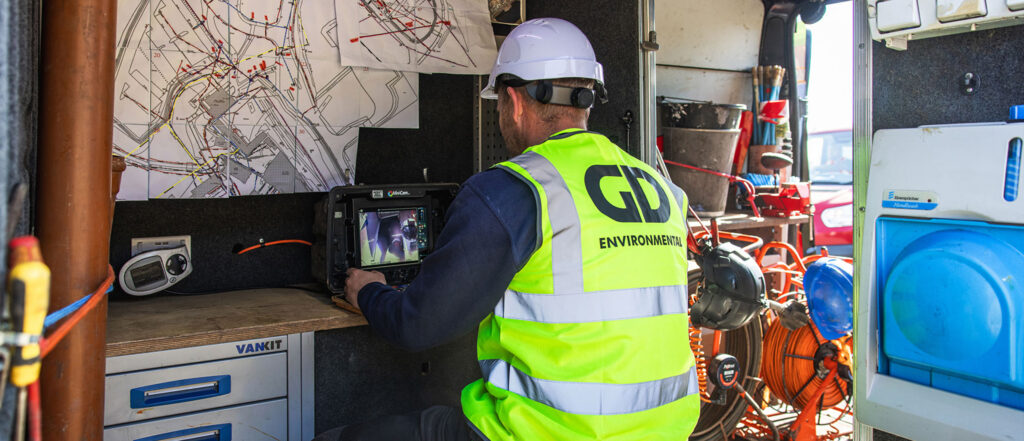
A CCTV drain survey involves feeding a small, waterproof camera through a property’s drainage system to inspect the condition of the pipework from the inside. The camera is attached to a flexible rod or pushed through using a self propelled crawler unit for longer runs, and it transmits live footage back to an operator who can identify any problems as they appear on screen.
Unlike a visual inspection from above ground, which can only really confirm whether water is draining away or not, a CCTV survey shows the actual condition of the pipe walls, joints, and connections throughout the system. It’s the only practical way to see what’s really going on without digging up the garden or lifting floors, and it’s become a standard part of due diligence for anyone buying a property that isn’t brand new.
Why Buyers Often Overlook This
Drains sit quite literally out of sight, and most of us only think about them when something goes wrong. Standard property surveys, even the more detailed building surveys carried out by a chartered surveyor, typically don’t include drainage as part of their scope. A surveyor might flag visible signs of trouble, such as a damp patch near an external wall or an unusual smell, but they’re not generally equipped or instructed to inspect the pipework itself.
This creates a gap. A property can look perfectly sound on the surface while hiding a drainage system that’s cracked, collapsed, or blocked with root ingrowth several metres underground. Without a dedicated survey, that issue simply won’t surface until it causes a problem, often not long after you’ve moved in and the previous owner is long gone.
What a CCTV Drain Survey Actually Checks For
A thorough survey looks for a range of issues that can affect how well a drainage system performs, and how much it might cost to put right. The main things an inspection picks up include:
Cracks and fractures in the pipe itself, which can range from minor hairline cracks that aren’t yet causing problems to more serious fractures that allow water to escape or debris to enter the system.
Collapsed sections of pipe, often caused by ground movement, age, or pressure from above, such as vehicles parking over a drain run that was never designed to take that kind of weight.
Root ingrowth, where tree or shrub roots have worked their way into the pipe through small cracks or joints, gradually expanding and restricting flow until they cause a full blockage.
Blockages and build up, including grease, scale, silt, and general debris that has accumulated over time and is restricting the flow of wastewater.
Misaligned or poorly jointed pipework, which can happen during previous repairs or if the system was installed incorrectly in the first place, leading to leaks or reduced flow at the joint itself.
Structural deterioration, particularly in older properties where the drainage system may be decades old and showing general wear consistent with its age, even without an obvious single point of failure.
Evidence of previous repairs, which can be useful context in itself, since patched sections sometimes indicate a recurring issue that was never fully resolved.
Connections to the main sewer, confirming the drainage system connects correctly and isn’t, for example, wrongly connected to a neighbouring property’s system or a surface water drain rather than the foul sewer.
Why This Matters Before You Buy
Drainage problems are rarely cheap to fix, and they’re considerably easier to negotiate on before you own the property than after. If a survey reveals a collapsed section of pipe or significant root damage, you’re in a strong position to ask the seller to either fix the issue before completion or adjust the price to reflect the cost of repair. Once you’ve completed the purchase, that leverage disappears entirely, and you’re left covering the cost yourself, often at a point when you’ve already stretched your budget on the move itself.
There’s also the question of who’s actually responsible for the pipework in question. In many cases, the section of drain running under a property’s own garden is the homeowner’s responsibility to maintain, while the section running under a shared driveway or out toward the public sewer may be shared with neighbours or adopted by the local water company. A CCTV survey, combined with a check of the public sewer records, can help clarify exactly where those boundaries sit, so you know precisely what you’d be taking on.
When Should You Get a Survey Done?
Ideally, a CCTV drain survey should be arranged during the conveyancing process, alongside your other property surveys, and before exchange of contracts. This gives you the chance to raise any findings with the seller or their solicitor while you still have room to negotiate. Leaving it until after completion removes any leverage you might have had, and you’ll be relying entirely on your own budget to cover repairs.
It’s particularly worth considering a survey if the property is older, has a history of damp or odour issues, has mature trees nearby, sits on a street with known drainage problems, or if the property has been extended or renovated in a way that might have affected the original drainage layout. That said, even a newer property benefits from a quick check, since drainage issues aren’t exclusively a problem for older housing stock.
How This Fits Alongside Your Other Property Checks
It’s worth thinking about a CCTV drain survey as one part of a wider set of checks rather than a replacement for any of them. A standard homebuyer’s report or full structural survey still matters for assessing the condition of the building itself, while a CCTV drain survey fills the specific gap those reports leave behind underground. The two aren’t competing for the same job, they’re covering different parts of the property entirely.
It’s also worth coordinating timing where you can. If your structural survey flags something that could be drainage related, such as damp patches near an external wall or subsidence in part of the garden, it’s worth getting the CCTV survey booked promptly rather than waiting, since the two findings together often give a clearer picture than either on its own. A cracked drain leaking water into the surrounding ground, for instance, can be a contributing factor in exactly the kind of subsidence a structural surveyor would flag separately.
If you’re buying through a solicitor or conveyancer, it’s also worth mentioning the survey to them directly rather than assuming it will come up automatically. Drainage isn’t always something conveyancers raise proactively, since it falls slightly outside the standard checklist of searches and surveys most buyers expect. A quick conversation early in the process means there’s time to act on any findings before contracts are exchanged, rather than discovering the report sitting in your inbox unread the week before completion.
What Happens During the Survey Itself
A typical CCTV drain survey starts with locating the access points to the drainage system, usually through manholes or inspection chambers either inside the property boundary or just outside it. The camera is then fed through the pipework, recording footage as it travels, with the operator noting the position of any defects using distance markers and, where possible, GPS mapping to give an accurate picture of where each issue sits relative to the property above.
Once the survey is complete, you should receive a written report alongside the recorded footage, clearly setting out any issues found, their location, and a general indication of severity. This is the document you’d share with your solicitor or use to support a renegotiation conversation with the seller, so it’s worth confirming in advance that the survey you’re booking includes a proper written report rather than just the raw footage.
How Long Does It Take and What Does It Cost?
Most residential CCTV drain surveys are completed within a couple of hours, depending on the size of the property and the complexity of the drainage layout. Costs vary depending on the property size and the number of access points that need to be surveyed, but it’s generally a modest expense compared to the potential cost of an undiagnosed drainage problem further down the line. Given what’s at stake, it’s one of the more cost effective surveys you can commission during a house purchase.
What If the Survey Finds a Problem?
Finding an issue doesn’t necessarily mean you should walk away from the purchase. Many drainage problems, even fairly significant ones like a section of collapsed pipe, can be repaired without excavating an entire garden, particularly with modern techniques such as pipe relining. What the survey gives you is the information to make an informed decision, whether that’s negotiating a price reduction, asking the seller to carry out repairs before completion, or simply going into the purchase with a clear understanding of what you’ll need to budget for afterward.
The worst outcome isn’t discovering a problem during a survey. It’s discovering one six months after moving in, with no leverage left and the full cost landing squarely on your own shoulders.
Getting a Clear Picture Before You Commit
A CCTV drain survey is a small step in the overall house buying process, but it can save you from a significant and unwelcome surprise. With cutting edge equipment capable of surveying drains and tanks of all sizes, we provide buyers with clear, recorded findings on digital file, giving you and your solicitor everything needed to move forward with confidence, or to renegotiate if something concerning turns up.
If you’re in the process of buying a property and want peace of mind about what’s happening underground before you sign anything, get a quote for a home buyers CCTV drainage survey and we’ll talk you through exactly what’s involved.