You put your bins out every week, the truck comes along, and then… what? Most of us don’t think twice about what happens after our waste disappears from the kerb. But once that rubbish is out of sight, it starts quite an impressive journey.
At GD Environmental, we deal with everything from household recycling to hazardous commercial waste, and we see first hand how much work goes into sorting, treating, and recycling what we all throw away. So if you’ve ever wondered where your waste actually ends up, here’s what really happens after collection.
Step 1: Collection and transport
Whether it’s a skip from a building site or a commercial waste container, everything starts with collection. Each waste stream is handled separately because the way it’s treated later depends on what’s inside.
For general household waste, collection teams load bins into specialist trucks fitted with compactors. This lets us carry more per journey and reduce the number of trips to our processing sites. Commercial collections work in a similar way, but the trucks and containers are sized for larger volumes and specific waste types, like cardboard, food, or mixed recyclables.
Once collected, everything is transported to one of our licensed transfer stations. These are central hubs where waste is sorted, weighed, and assessed before being sent on to its next stage.
Step 2: Weighing and initial inspection
When the truck arrives at the transfer station, the waste is first weighed on a calibrated weighbridge. This data helps us monitor recycling rates, report to local authorities, and make sure each client is charged fairly based on what’s been collected.
From there, it’s unloaded and inspected. This might sound like a small step, but it’s crucial. Contaminated loads (such as recyclables mixed with food waste or non-recyclable plastics) need to be identified early. The cleaner the waste stream, the more we can recycle.
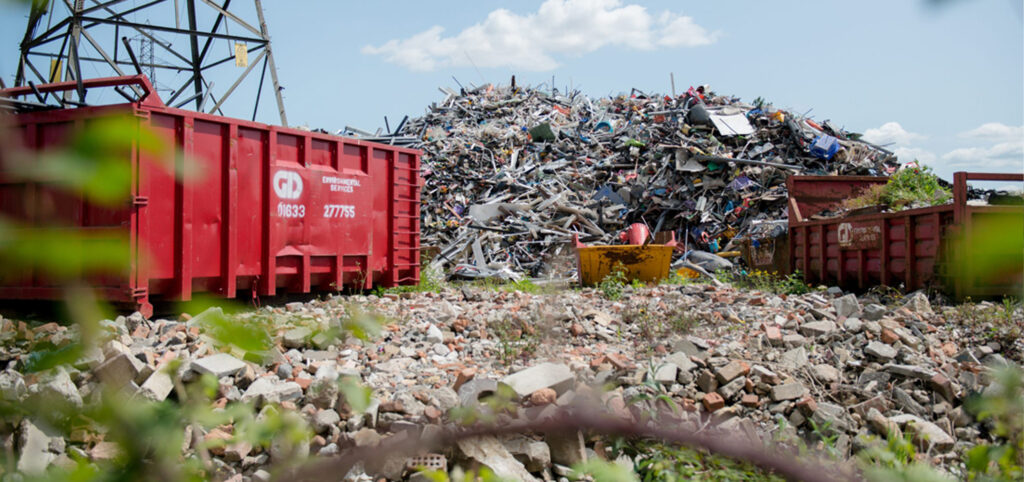
At this stage, large or obvious items that don’t belong in that particular stream are removed. For example, if a skip meant for construction rubble contains plastics or wood, we’ll separate those out so they can go to the correct facility.
Step 3: Sorting the recyclables
After inspection, the sorting begins. Recycling is all about separating materials so each can be processed efficiently. A mix of technology and manual labour is used here.
In our material recovery facilities, we use conveyor systems, magnets, air jets, and optical scanners to sort different materials. Metals are pulled out with magnets, plastics are separated by type, and heavier materials like glass are screened out mechanically. Our teams then do manual checks to remove anything the machines have missed.
For commercial clients who produce larger amounts of uniform waste, such as cardboard from retail sites, this sorting is more straightforward. Loads can go directly into balers, where the material is compressed and tied into manageable bales ready for recycling plants.
This careful sorting process is one of the reasons we achieve such high recycling rates. The more precise we are here, the more waste we can divert from landfill.
Step 4: Processing and treatment
Once sorted, each type of material takes a different path. Here’s a quick look at what happens next:
- Paper and cardboard: These are sent to paper mills where they’re pulped, cleaned, and turned into new products such as packaging or tissue.
- Plastics: Different types of plastic are shredded, washed, melted, and reformed into pellets. These pellets are then used by manufacturers to create new bottles, containers, and household goods.
- Glass: It’s crushed into small pieces called cullet, cleaned, and melted down to make new glass items. Because glass can be recycled indefinitely, it’s one of the most sustainable materials we handle.
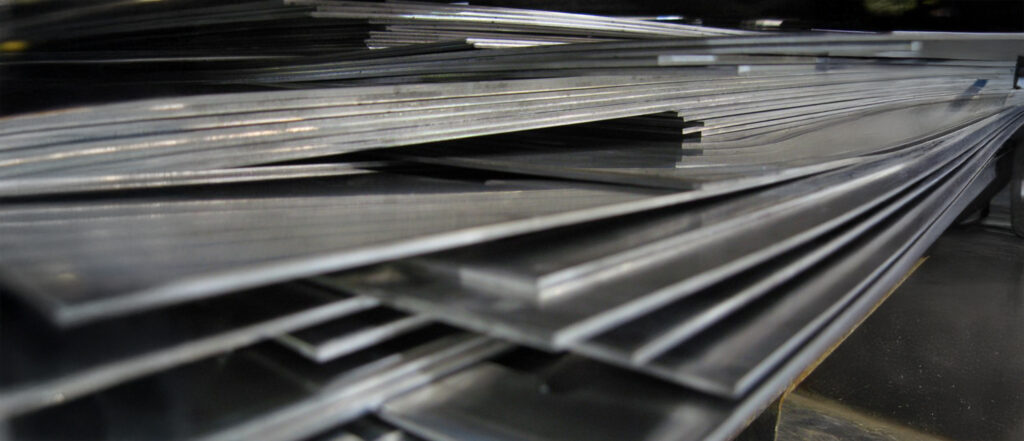
- Metals: Ferrous and non-ferrous metals are separated, melted, and cast into new products. Scrap metal recycling is a major part of what we do, and it significantly reduces the need for mining new raw materials.
- Food and organic waste: Collected separately, this is taken to anaerobic digestion or composting facilities. There, it’s broken down by bacteria to create biogas (used for energy) and nutrient rich fertiliser for agriculture.
For materials that can’t be recycled, we focus on recovery. This means finding ways to extract energy or other resources before anything is considered for landfill.
Step 5: Waste to energy
Modern waste management isn’t just about recycling. Energy recovery has become a vital step in reducing landfill use. At GD, non-recyclable waste that still has energy potential is sent to energy from waste (EfW) plants.
These facilities use high-temperature combustion to generate electricity and heat. The energy produced often goes back into the National Grid, powering homes and businesses. The process also reduces the original waste volume by around 90%, leaving only a small amount of inert ash. Even that ash can be reused in construction, for example as aggregate in road building.
This means that even when recycling isn’t possible, the waste can still serve a useful purpose.
Step 6: Responsible disposal
Only a very small proportion of the waste we collect ends up in landfill, and that’s something we’re proud of. Landfill should always be the last resort. The materials that can’t be recycled, reused, or recovered are treated and tested to ensure they’re safe before disposal.
For hazardous waste, there’s a strict process involving documentation, storage, and specialised transport. Items such as chemicals, batteries, or oily rags can’t simply be thrown away with general waste. Our hazardous waste team ensures everything is handled safely and in full compliance with UK regulations.
Step 7: Reporting and compliance
Behind the scenes, every stage of this process is carefully recorded. Businesses have a legal responsibility to know where their waste goes, and we provide full traceability from collection to final destination.
Our reports show recycling rates, disposal methods, and any recovery processes used. This transparency is a big part of modern environmental management. It helps our clients prove compliance, demonstrate sustainability credentials, and improve how they handle waste in the future.
For domestic customers, it’s just good to know that when you recycle, it genuinely makes a difference.
Why it matters
Understanding what happens to waste after it’s collected helps people see why proper disposal and recycling are so important. When waste is handled correctly:
- Fewer resources are wasted. Recycled materials replace virgin raw materials, cutting the need for new mining or manufacturing.
- Carbon emissions fall. Recycling and recovery use less energy than producing from scratch.
- Communities benefit. Clean, well managed waste systems reduce pollution and create green jobs.
- Costs are controlled. Businesses that separate their waste properly can reduce collection and landfill fees.
Our goal is simple: to reduce waste going to landfill while helping homes and businesses manage their waste responsibly. Every tonne that’s recycled or recovered is a step towards a cleaner, more sustainable future.
The future of recycling in the UK
The recycling industry is evolving fast. New technologies are emerging all the time, from advanced plastic sorting to chemical recycling that can break down complex materials. Local authorities are also introducing improved systems to help residents separate waste more easily.
We’re seeing growing interest in circular economy models, where products are designed to be reused or remanufactured rather than thrown away. Businesses that embrace this approach are already reducing costs and improving their environmental performance.
For us, staying ahead of these changes means continued investment in better facilities, cleaner technologies, and training for our teams. The more efficiently we can handle waste, the better the outcome for everyone.
How you can help
Even small changes make a difference. If you want your waste to be recycled properly, here are a few simple ways to help:
- Keep recyclables clean and dry. Food contamination can cause whole loads to be rejected.
- Check your local recycling rules. Not every area accepts the same materials.
- Separate waste at the source. If you run a business, set up clear bins for paper, plastic, and food waste.
- Avoid wish cycling. Don’t put items in the recycling bin if you’re not sure they belong there.
- Use licensed carriers. Always choose a registered waste management company such as GD Environmental to make sure your waste is handled legally and responsibly.
By being a bit more mindful of the bin, you’re helping to close the recycling loop and reduce the strain on our environment.
Once your waste leaves the kerb, it goes through a surprisingly complex journey. From sorting and recycling to recovery and energy generation, each stage is designed to squeeze as much value as possible from materials that might otherwise go to waste.
We’re proud to play our part in that process. Our teams work every day to make waste management more efficient, sustainable, and transparent. Whether you’re a homeowner putting your bins out each week or a business managing large-scale waste collections, you can be confident that your waste is being handled the right way.
Recycling isn’t just about ticking a box. It’s about protecting resources, reducing emissions, and creating a cleaner environment for everyone. And once you know the journey your waste takes, it’s easier to see why every small effort really does count.